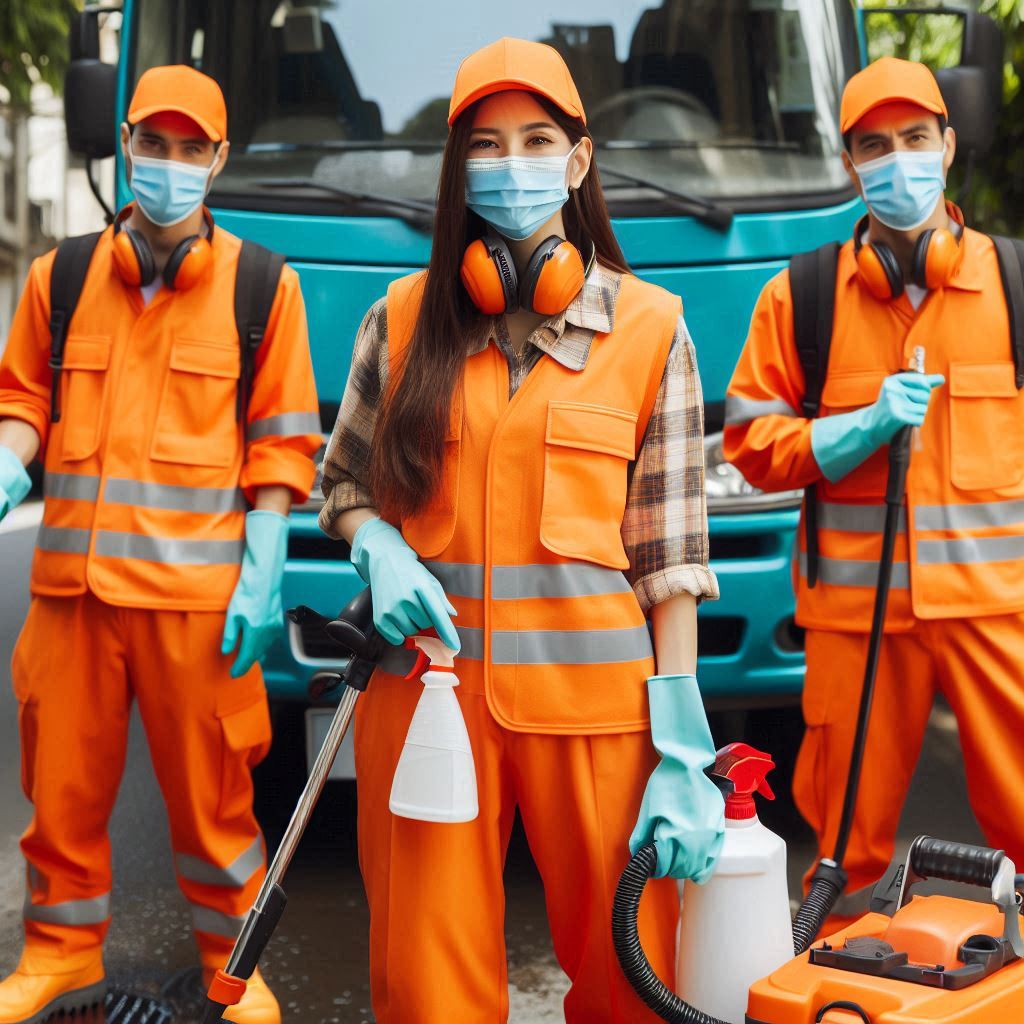
Industry-Leading Sanitation Practices
Posted by Fortune Bristol on 2024-08-23
- Implementation of Cutting-Edge UV-C Light Disinfection Technology
- What is UV-C light?
- How does UV-C light kill microorganisms?
- Applications of UV-C light in sanitation: Surface disinfection
- Water purification
- Air purification
- Benefits of UV-C light disinfection: Effectiveness against a wide range of pathogens
- Rapid disinfection process
- Environmentally friendly
- Challenges and considerations: Safety concerns for human exposure
- Cost and maintenance requirements
- Utilization of IoT Sensors for Real-Time Monitoring of Cleanliness Levels
- What are IoT sensors?
- Types of IoT sensors used in sanitation: Temperature and humidity sensors
- Air quality sensors
- Particle sensors
- How IoT sensors can improve sanitation: Real-time monitoring of cleanliness levels
- Proactive cleaning and maintenance
- Data-driven decision-making
- Case studies and success stories
- Integration of Antimicrobial Surfaces to Reduce Pathogen Transmission
- What are antimicrobial surfaces?
- Types of antimicrobial materials:
- Copper
- Silver
- Zinc
- Antimicrobial coatings
- Benefits of antimicrobial surfaces:
- Continuous pathogen reduction
- Long-lasting protection
- Improved hygiene and safety
- Applications of antimicrobial surfaces:
- High-touch surfaces (door handles, countertops, etc.)
- Healthcare facilities
- Public spaces
- Regular Training Programs for Staff on the Latest Sanitation Protocols
- Importance of staff training
- Key areas of training: Proper cleaning techniques
- Use of sanitation equipment
- Identification of sanitation hazards
- Compliance with regulations
- Benefits of staff training: Improved sanitation practices
- Reduced risk of contamination
- Enhanced employee knowledge and skills
- Importance of staff training
- Development of Self-Sanitizing Surfaces to Minimize Contamination Risks
- What are self-sanitizing surfaces?
- How do self-sanitizing surfaces work?
- Applications of self-sanitizing surfaces: High-touch areas
- Healthcare settings
- Public transportation
- Benefits of self-sanitizing surfaces: Continuous disinfection
- Reduced need for manual cleaning
- Improved hygiene and safety
- Adoption of Robotic Cleaning Systems for Efficient and Thorough Sanitation
- Types of robotic cleaning systems:
- Floor scrubbers
- Autonomous disinfecting robots
- UV-C disinfection robots
- Benefits of robotic cleaning systems:
- Increased efficiency and productivity
- Improved sanitation quality
- Reduced labor costs
- Ability to operate in hazardous environments
- Types of robotic cleaning systems:
- Implementation of Air Purification Systems to Enhance Indoor Air Quality
-
-
- Types of air purification systems: HEPA filters
- UV-C air purifiers
- Ionizers
- Benefits of air purification systems: Removal of airborne contaminants
- Reduced risk of respiratory infections
- Improved indoor air quality
- Applications of air purification systems: Offices
- Schools
- Healthcare facilities
-
-
- Utilization of Blockchain Technology for Transparent Tracking of Sanitation Procedures
-
-
- How blockchain can improve sanitation: Traceability of cleaning products and equipment
- Verification of cleaning procedures
- Enhanced compliance with regulations
- Benefits of blockchain: Increased transparency and accountability
- Improved data management
- Reduced risk of fraud
-
-
- Introduction of Biodegradable Cleaning Products for Eco-Friendly Sanitation
-
- What are biodegradable cleaning products?
- Benefits of biodegradable cleaning products:
- Reduced environmental impact
- Improved sustainability
- Compliance with eco-friendly regulations
- Examples of biodegradable cleaning products:
- Plant-based cleaners
- Enzyme-based cleaners
- Biodegradable disinfectants
-
- Integration of AI-Powered Cleaning Robots for Autonomous Sanitation Tasks
-
-
-
- How AI enhances cleaning robots: Improved navigation and obstacle avoidance
- Intelligent task planning and optimization
- Real-time monitoring and data analysis
- Benefits of AI-powered cleaning robots: Increased efficiency and productivity
- Reduced labor costs
- Improved sanitation quality
-
-
-
- Implementation of Touchless Sanitation Stations for Improved Hygiene Practices
-
-
-
- Types of touchless sanitation stations: Hand sanitizer dispensers
- Soap dispensers
- Faucets
- Benefits of touchless sanitation stations: Reduced transmission of germs
- Improved hygiene practices
- Enhanced user experience
-
-
-
- Utilization of Drones for Large-Scale Sanitation Inspections and Disinfection
-
-
-
- How drones can be used for sanitation: Aerial inspections of sanitation conditions
- Large-scale disinfection of outdoor areas
- Benefits of drone-based sanitation: Efficiency and speed
- Accessibility to remote or hazardous areas
- Cost-effectiveness
-
-
-
- Development of Smart Waste Management Systems to Optimize Sanitation Processes
-
-
- How smart waste management systems work:
- Real-time monitoring of waste levels
- Optimized waste collection routes
- Improved waste segregation
- Benefits of smart waste management:
- Reduced waste accumulation
- Improved sanitation conditions
- Enhanced resource efficiency
- How smart waste management systems work:
-
-
- Utilization of Nanotechnology for Targeted Pathogen Elimination
-
-
-
- What is nanotechnology?
- How nanotechnology can improve sanitation: Development of antimicrobial nanoparticles
- Targeted delivery of disinfectants
- Enhanced pathogen detection
- Benefits of nanotechnology: Increased effectiveness against pathogens
- Reduced use of chemicals
- Potential for new sanitation solutions
- What is nanotechnology?
-
-
-
- Integration of Virtual Reality Training for Immersive Sanitation Education
-
-
-
-
- How VR can enhance sanitation training: Simulated real-world scenarios
- Interactive learning experiences
- Improved knowledge retention
- Benefits of VR training: Effective staff training
- Reduced costs
- Increased engagement
-
-
-
-
- Implementation of Self-Disinfecting Equipment to Maintain Cleanliness
-
-
-
- Types of self-disinfecting equipment:
- Self-cleaning door handles
- Self-sanitizing keyboards
- Self-disinfecting medical devices
- Benefits of self-disinfecting equipment:
- Continuous disinfection
- Reduced manual cleaning
- Improved hygiene and safety
- Types of self-disinfecting equipment:
-
-
-
- Utilization of Machine Learning Algorithms for Predictive Sanitation Maintenance
-
-
-
-
-
- How machine learning can improve sanitation: Predictive maintenance
- Optimized cleaning schedules
- Resource allocation
- Benefits of machine learning: Increased efficiency
- Reduced costs
- Improved sanitation outcomes
-
-
-
-
-
- Introduction of Biometric Access Controls to Ensure Sanitation Compliance
-
-
-
-
-
- How biometric access controls can improve sanitation: Tracking staff compliance
- Preventing unauthorized access
- Ensuring adherence to protocols
- Benefits of biometric access controls: Improved accountability
- Enhanced security
- Increased compliance
-
-
-
-
-
- Implementation of Ozone Sanitation Technology for Comprehensive Disinfection
-
-
-
-
- What is ozone sanitation?
- How ozone can improve sanitation: Powerful disinfectant
- Effective against a wide range of pathogens
- Rapid disinfection process
- Benefits of ozone sanitation: Comprehensive disinfection
- Reduced chemical use
- Effective in various environments
- What is ozone sanitation?
-
-
-
-
- Utilization of Self-Cleaning Restroom Fixtures to Reduce Manual Cleaning Needs
-
-
-
-
- Types of self-cleaning restroom fixtures:
- Self-flushing toilets
- Self-cleaning urinals
- Self-cleaning sinks
- Benefits of self-cleaning fixtures:
- Reduced manual cleaning
- Improved hygiene
- Enhanced user experience
- Types of self-cleaning restroom fixtures:
-
-
-
-
- Integration of Automated Sanitation Audits Using AI-Powered Sensors
-
-
-
-
-
-
- How AI-powered sensors can improve sanitation audits: Real-time monitoring of cleanliness levels
- Automated data collection and analysis
- Identification of sanitation issues
- Benefits of automated audits: Increased efficiency
- Improved accuracy
- Reduced human error
-
-
-
-
-
-
- Development of Sanitation Drones Equipped with Disinfection Sprayers
-
-
-
-
-
-
- How sanitation drones can be used: Large-scale disinfection of outdoor areas
- Difficult-to-reach areas
- Benefits of sanitation drones: Efficiency and speed
- Reduced risk to human workers
- Cost-effectiveness
-
-
-
-
-
-
- Adoption of Probiotic Cleaning Solutions for Long-Lasting Microbial Control
-
-
-
-
-
- What are probiotic cleaning solutions?
- How probiotic cleaning solutions work: Introduction of beneficial microorganisms
- Competitive exclusion of harmful pathogens
- Benefits of probiotic cleaning solutions: Long-lasting microbial control
- Reduced chemical use
- Environmentally friendly
- What are probiotic cleaning solutions?
-
-
-
-
-
Conclusion
- Recap of key points
- Future trends and advancements in sanitation technology
- Importance of ongoing innovation and adoption of best practices
Additional Considerations:
- Visual aids: Use diagrams, infographics, and images to enhance understanding.
- Case studies: Highlight real-world examples of successful sanitation initiatives.
- Expert interviews: Feature insights from industry experts or researchers.
- Target audience: Tailor your content to your specific audience (e.g., businesses, healthcare professionals, consumers).